Research: Understanding the Rocket!
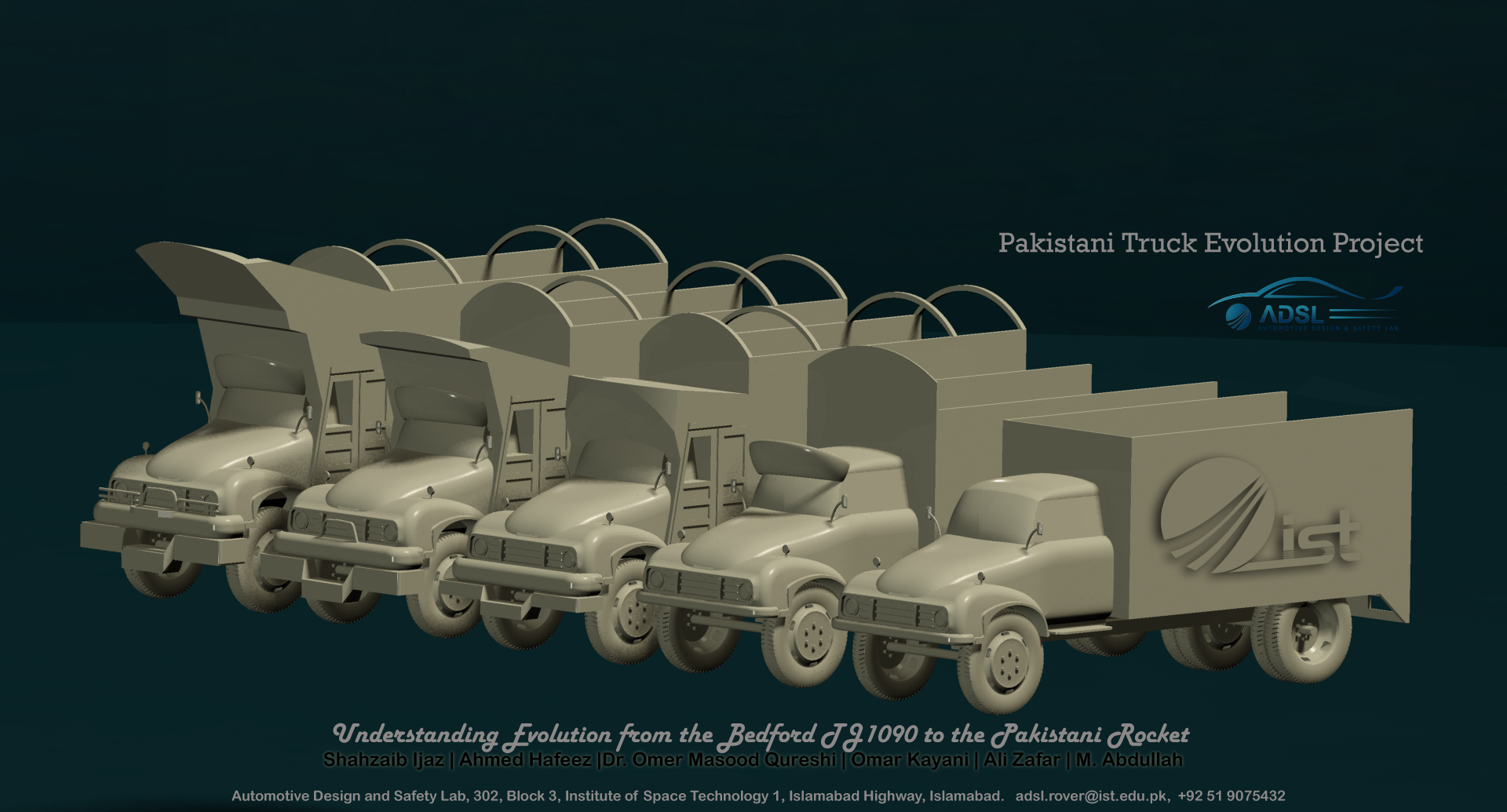
The Rocket has a unique and interesting history, it started life as the Bedford TJ1090 truck which was produced under license in large numbers and became the standard trucks in Pakistan. A large spare part industry subsequently developed. However, due to factors of a lack of copyright, market regulation and closure of the Bedford Company in UK, the truck continued to be produced in Pakistan unlicensed.
Then wonders happened, these trucks consequently began to evolve slowly, and over decades morphed into different trucks, immensely different from its predecessor, both visually and functionally. In many ways the evolution of technology in this case has striking similarities to Darwin’s theory of natural selection in terms of adaptability to the environment, a genetic drift and survival of the fittest.
Researchers at the Automotive Design & Crashworthiness Research and Institute of Space Technology, Islamabad are trying to understand how technology evolves freely when there is no actor large enough to control its evolution. The isolated evolution of the ‘Rocket’ in Pakistan is the Galapagos Isles of an endemic of a mammoth technological artifact.
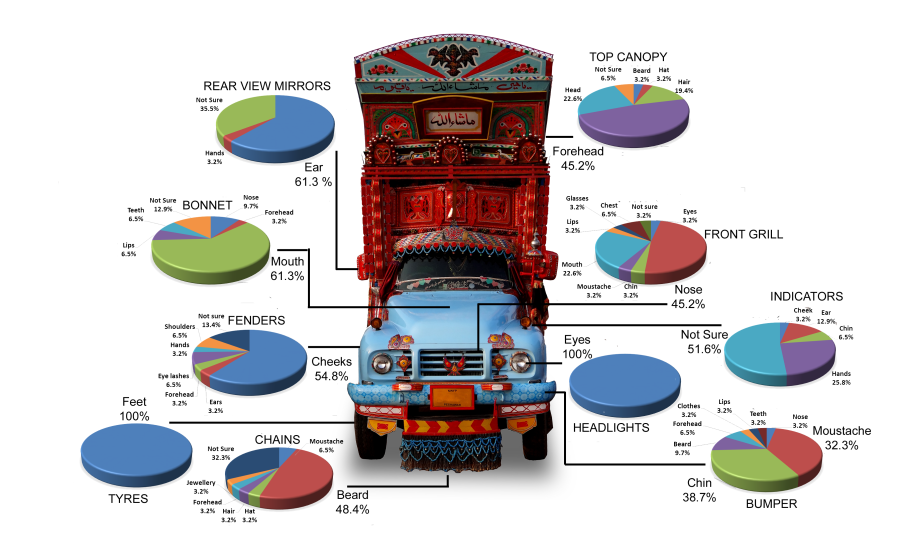
The results are astounding to say the least. The findings so far indicate that functionality, efficiency are only a very small preference in automotive design. If given a free hand, consumers tend to evolve machines so as to give them human expressions and feel. They tend to anthropomorphize their vehicles into human features and traits, they tend to assign emotions and will morph them based upon their own social and psychological needs of status and power.
This study might contribute not only to the understanding of Pakistani trucks but will help future designers understand the success, or failure of any design.
Lawmaking Consultancy: HTV Classification and Dimensional Regulations

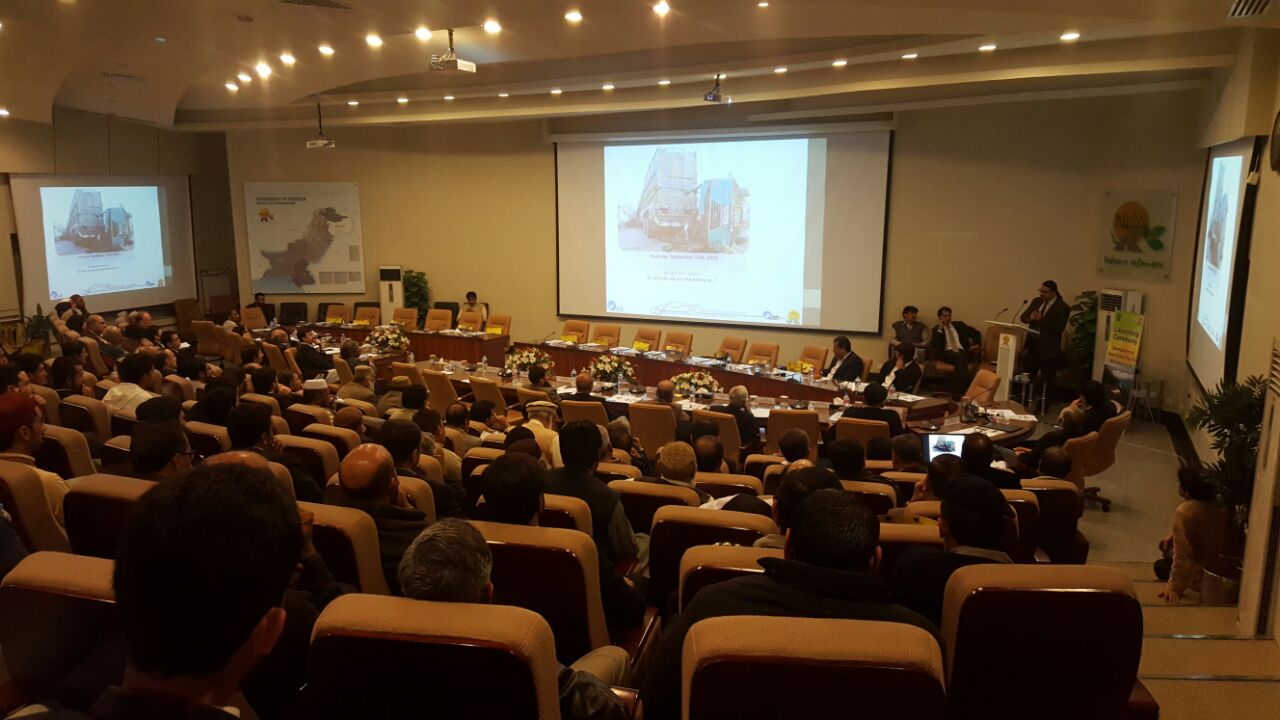
Pakistan HTV vehicle classification project is part of NHA’s initiative on classifying and categorizing the entire spectrum of goods vehicles on Pakistani roads and has been done by ADCR as consultants for the National Highway Authority, Pakistan.
Previously, the available classifications of goods vehicles were done by NHA and were based on the number of axles. They were used only for load regulation, However, a more detailed classification was needed to be used across the board for geometric and dimensional regulations, accident data collection and analysis, Taxation and Road Access purposes.
These classifications, along with their geometric constraints are currently in process of being incorporated into the Pakistani Law Under National & Safety Ordinance (NHSO 2000) Section 38. Once these classifications are in place, It shall become much easier for all government organizations as well as private vehicles and fleets to classify their vehicles. The law also addresses the grievances of the owners of specialized vehicles such as car carriers and wide beds which had extra dimensional requirements. Liquid carriers are placed in a separate category due to enable a different set dimensional rules.
ADCR is proud to contribute and play its part in the national cause for the development of Pakistan’s road and traffic infrastructure.
Vehicle Standards Rule 04/00 – HTV/LTV Goods Vehicles Classification and Dimensional Rules 2017
Design: Wirerope Guardrail Design
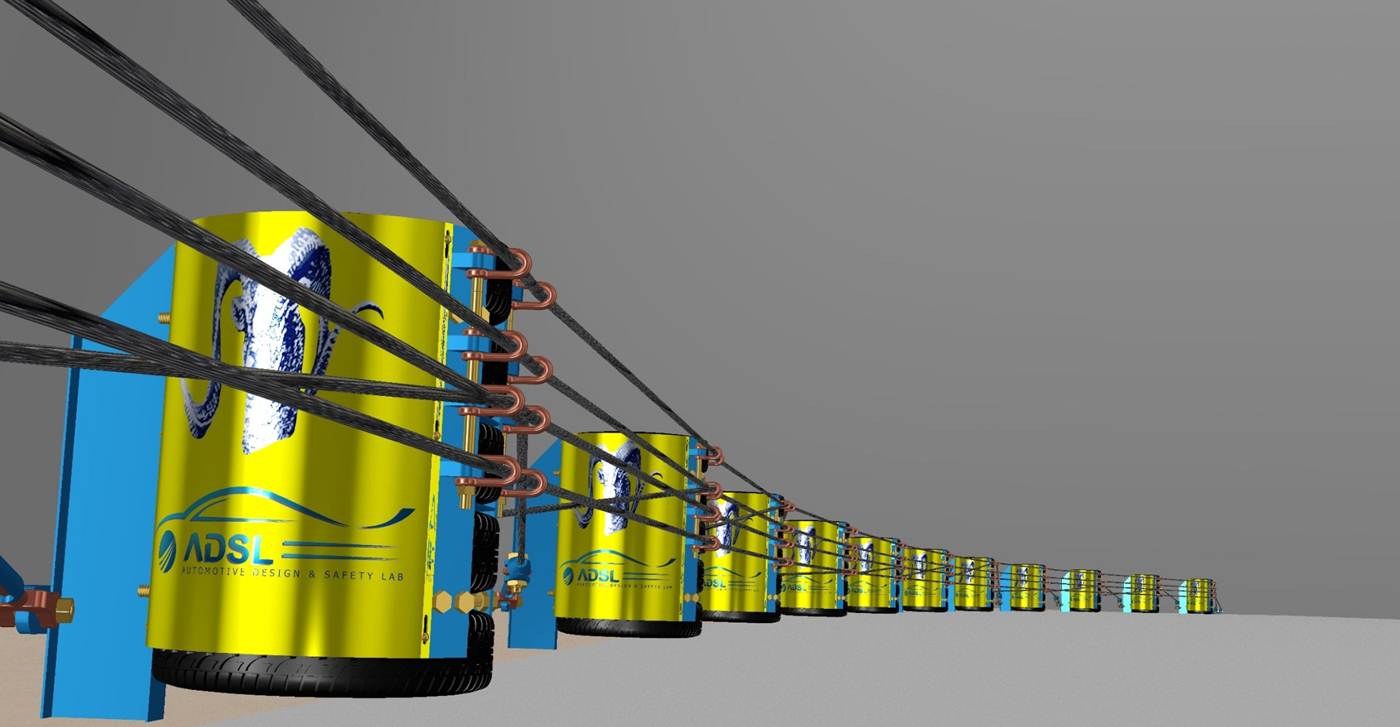
The Guardrail project was initiated as a consultancy project for FWO pakistan.
Guardrails are very effective at reducing injuries in a crash, They prevent vehicles from veering off the road in case of loss of control and slide it back onto the road while slowing it down gradually. The world over Guardrails are part of road design standards.
Whereas W beam Guardrails are effective for light traffic, they are absolutely useless, perhaps even damaging for heavier vehicles such as trucks and buses. Furthermore, the ends of W beam guardrails can be especially dangerous if not properly secured. On the M2 motorway, about 65 percent of collisions involve HTVs.
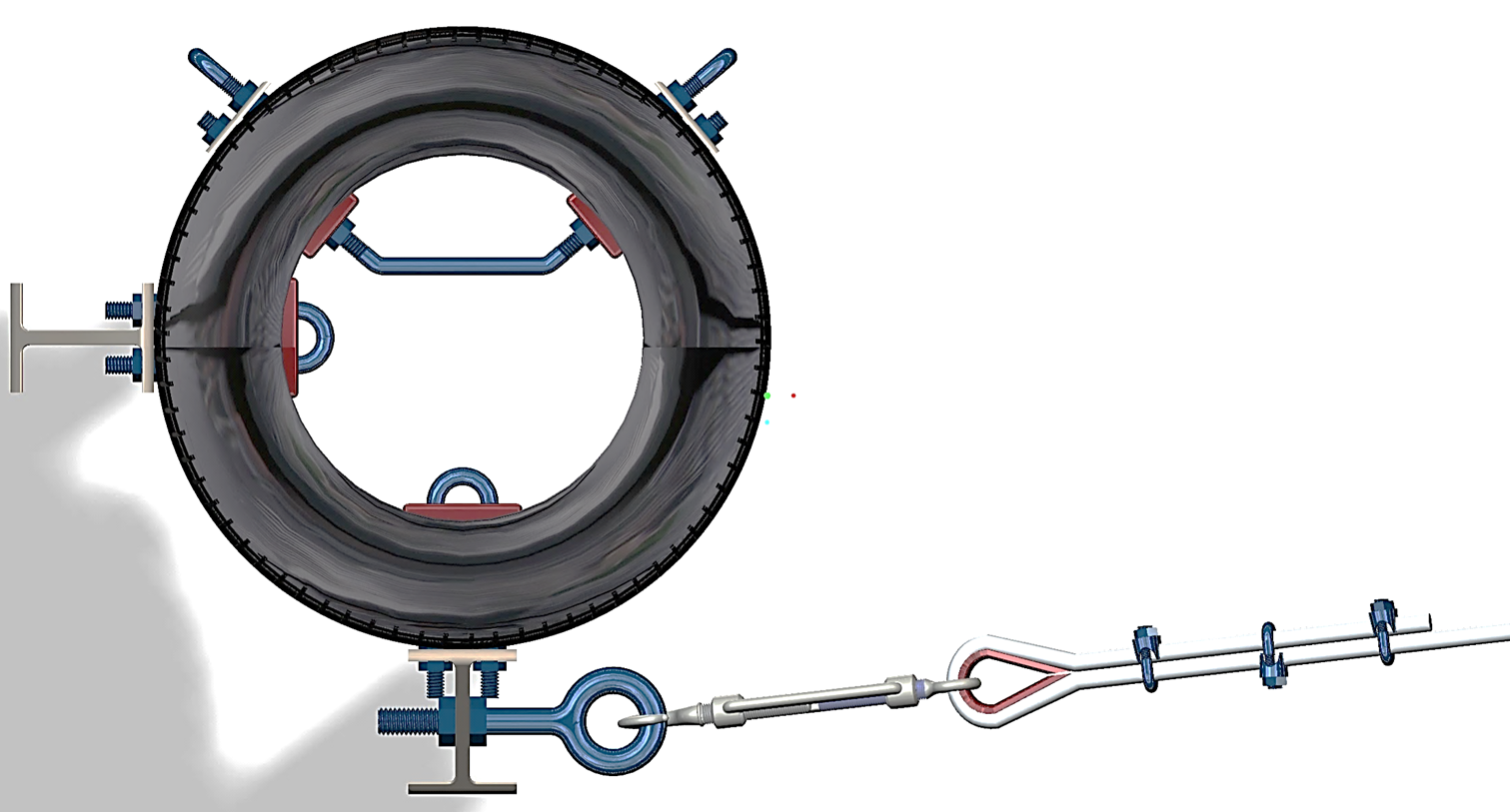
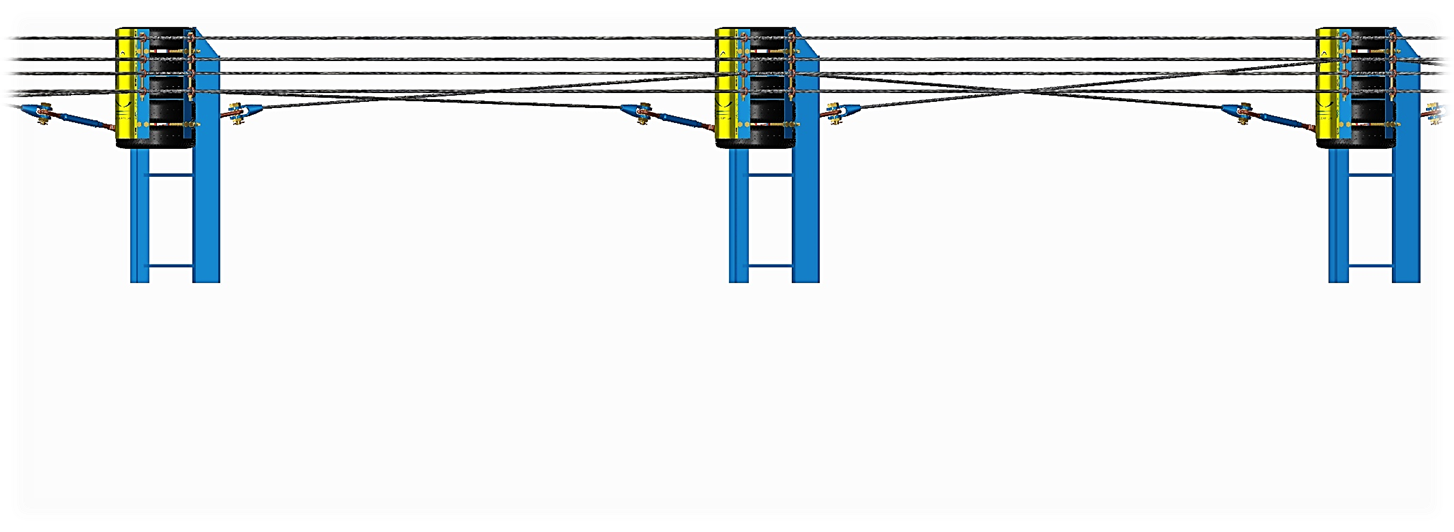
An alternate solution to this was to development of wirerope guardrails for Pakistan. Wirerope guardrails are effective at stopping vehicles without causing much damage to the occupants and the vehicle itself. Some designs have been used in Australia.
ADCR set out to design an effective wirerope barrier stronger and sturdier than any other design present in the market. The ADCR barrier is a multi hinge design that enables it to be installed around corners, a limitation on the Australian design. Since Pakistan is a country where maintenance procedures are not effective, old tires were used as replacement sacrificial absorbers so the poles do not get damaged upon each impact, this was also seen as a recycling advantage, aiding the environment. The guardrails have been designed using State of the art CAD tools and Simulated using Finite Element Methodology. Currently the project is in its testing phase with FWO.
Road Safety Audits: Shams Colony
ADCR recently conducted a Road Safety Audit of Shams colony near Islamabad. The housing colony was built alongside a river and was designed as a fishbone structure where all roads are connected to a single main artery. The design of the colony fishbone structure with oblique intersections made it especially prone to accidents. The issue was worsened further due to the presence of excessive horticulture and the presence of VRUs (vulnerable road users such as motorcyclists) in the colony. Accidents were frequent and a number of deaths had also occurred.
The road audit considered various factors affecting the safety of the road network including intersections, blindspots, critical blackspots, illumination, pedestrian flow, traffic flow, VRU flow, children play areas, road furniture, U turns, passive safety and roadside hazards.
Since enforcement of traffic laws was nearly impossible, alternative safety measures had to be taken, design amendments had to be made to make the area safer.
The project was a resounding success. After recommendations were implemented, the accident rates dropped by more than 60 percent.